On the Sunday of June 7, 2026, a wide array of color and joy overtook Paulista Avenue. At 2 PM, around 36,800 members of the LGBTQIA+ community and their allies celebrated themselves in São Paulo’s main avenue, a city known for its greyish tones, heavy rain, and people walking in a hurry, either due to work or fear of violence. This scene was part of the 30th LGBT+ Parade, which celebrated its third decade with the theme “The streets call, the ballot box confirms.”
To the untrained eye, the Parade is just a “carnival party for gay people” as I still hear today. Although queer joy is seen and heard in those smiling faces, singing voices and dancing bodies, the Parade is also a political manifestation and a battle cry: a reminder that voting and democratic engagement is important for the civil rights of the LGBTQIA+ community.
In my preteens, when the Parade started, straight people never seemed to care much about the Parade, some saying it felt like a “carnival party” just for queers, taking something away from our world-renowned carnival parades. As I grew older and got more contact with the queer and trans communities, I began to understand how important the LGBT+ Parade is.
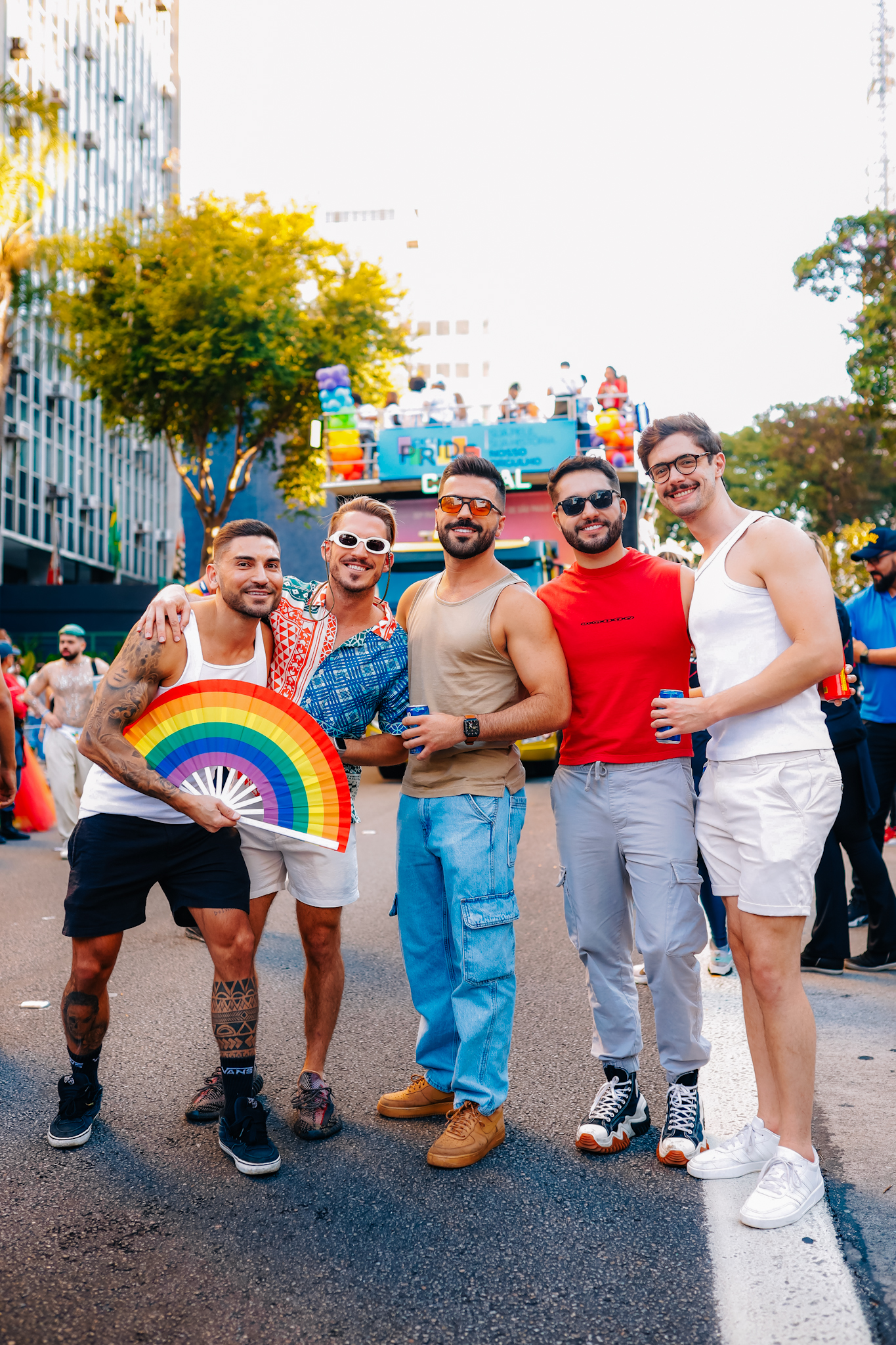
In an interview with Scarleteen, Nelson Matias Pereira, President of the Associação da Parada do Orgulho LGBT de São Paulo (São Paulo LGBT Pride Parade Association, APOLGBT-SP), discussed the relationship between the Pride Parade and the city of São Paulo, considering social, political, economic, and identity aspects.
“Socially, the Parade became recognized as one of the main events for LGBT+ community visibility worldwide by promoting the occupation of public space and debating civil rights, serving as national and international inspiration. Politically, it serves as a platform for social pressure and the defense of democracy, shaping the agenda of the issues that drive public policy. Economically, it has an expressive impact: in 2025, the event brought $548.5 million reals (approximately $106 million U.S. dollars) to São Paulo’s capital city,” elaborates Pereira.
One of the Parade’s triumphs is occupying larger public areas and venues; it started with just the Roosevelt Square in 1996, and the following year it spread to take place at the aforementioned Paulista Avenue, going through Rua da Consolação (Consolação Street), Avenida Ipiranga (Ipiranga Avenue), and Praça da República (República Square), staples of the city.
“This symbolic route reclaims spaces that traditionally are associated with the sociability and resistance of the LGBTQ+ community. São Paulo has been considered one of the main cities for LGBTQ+ activism in Brazil,” states anthropologist and teacher João Victor Rossi. Having queer and trans people parading in these spaces symbolizes the struggles and advances of this populace, when in the past their existence was marginalized in such spaces to the point that assuming their identities would bring shame on them, if not aggression.
Still, not everything over the rainbow is shining. The Parade had its heyday in 2022 and 2023, when it garnered around five million reals (approximately $936,075 U.S. dollars) and was supported by seven different major brands in each edition, a different mark from the two million reals ($386,000 U.S. dollars) estimated for this year, which had less sponsorship from private players such as Heineken’s group Amstel (beer brand) and L’Óreal (cosmetics) which are the only supporters. The diminishing resources are likely due to the conservative turn happening in Brazil and the decreasing support for LGBTQIA+ causes seen in other parts of the globe, such as the U.S.A. and the U.K. American states led by Republican administrations are pushing for conservative rebrands of Pride Month with monikers like “nuclear family month” or “fidelity month.”external link, opens in a new tab
Political opposition will have to deal with the combined resisting strength of youth and experience
This season, conservative forces are making political moves to take the Pride Parade from the streets to the Sambódramo (Sambadrome), where the traditional samba schools parade takes place, and to forbid the participation of underage people, alleging that they are exposed to sexualized behavior and scantily dressed people.
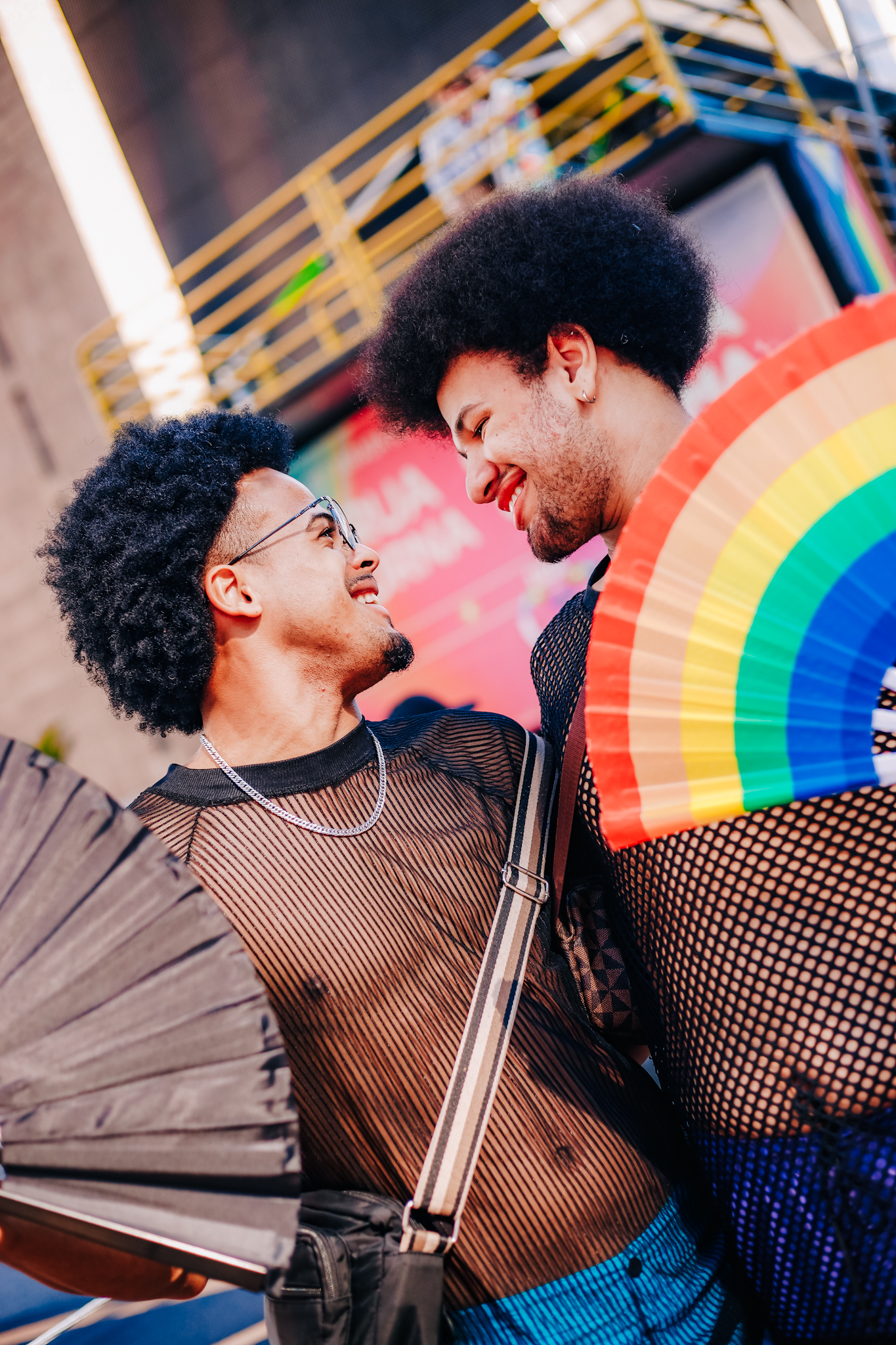
The Parade is an event that whole families take part in and that helps young people find and feel vital queer community by integrating youth with older, experienced queer people, as well as artists who are queer or supporters from the mainstream lexicon, such as Pabllo Vittar, Gloria Groove, Luisa Sonza, and politicians, among them councilman Eduardo Suplicy.
Although there are strong supporters of the cause, as a Brazilian living in polarized times, I feel that people, including myself, are less inclined to express their opinions in their day-to-day activities, on the internet, and in public spaces, let alone express their own identities outside safe spaces. Sometimes it feels like we are moving backward to my childhood, when I saw queer people appear on TV only as punchlines or something to be repudiated, with the exception of a few artists that the public could “look over” their identity and “just appreciate their talent,” as I would hear from older people and other kids.
According to Grupo Gay Bahia (Gay Group Bahia) in its annual reportexternal link, opens in a new tab, Brazil registered 257 violent deaths among the LGBT+ community in 2025: that’s one queer person dying every 34 hours. According to a reportexternal link, opens in a new tab by the Associação Nacional de Travestis e Transexuais (National Association of Transvestites and Transsexuals, ANTRA), at least 80 trans women were killed in 2025. The number has dropped compared to 2015, but Brazil remains the most lethal country for this group. For comparison, U.S.’ Advocates for Trans Equility (A4TE)external link, opens in a new tab states that from November 2024 to October 2025, there were 58 known deaths of trans individuals, and 27 of those were victims of fatal violence.
The numbers reflect how Brazilian society positions and perceives this group, and how they are so frequently denied their citizenship and humanity. The violence they endure acts as a dark counterpart to their activism and celebration at the Parade and justifies their urge to appear and question society, parading their culture while educating young queers, their families, the city, and the world.
I asked João Victor Rossi about what the Pride Parade has accomplished for the queer community, and he said that the gathering multitudes in the cities’ downtown areas make the Pride Parade a decisive historical moment opposing the exclusion and invisibility that have marked and still linger against the LGBTQ+ lifestyle.
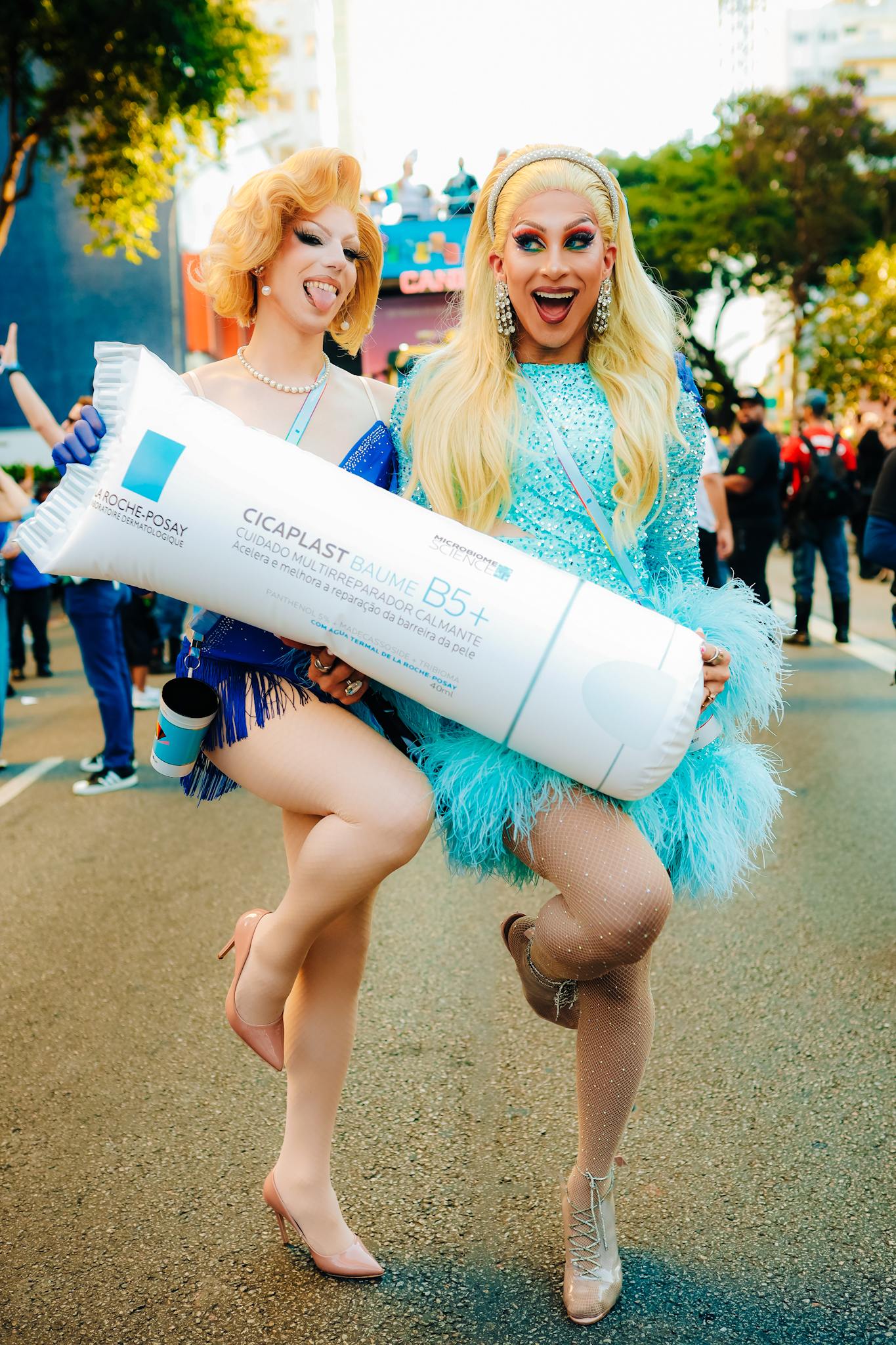
“Spaces that were previously associated with marginalization are reframed as legitimate presence territories, in which dissenting bodies and identities stop occupying marginalized positions to affirm themselves at the center of social life,” says Rossi. This is an idea that diverges from far-right politicians’ call to confine the Parade to closed or isolated areas.
Rossi believes that the Parade occupying main public spaces “May cause tension with the so-called conservative sectors, but in spite of that, it makes visible the existence of an organized collective that reclaims rights and the free expression of the subjectivities surrounding direct confrontation with the normativity that, for extended periods, aimed (and still aims, let us pay attention!) to invalidate and pathologize the experiences.”
When I questioned Pereira about the opposing forces and their growth in support against the LGBT+ progress, the organizer was blunt: “Sadly, this is nothing new. The Parade still faces those who try to take it down since its first edition. We evaluate this antagonism as part of a conservative wave that aims to promote the regression of acquired rights. The attempt to restrict the participation of youngsters and take the event out of public venues is an attack on freedom of expression and on the right to occupy the city. We are keeping our positioning: We affirm that the street is a legitimate space for manifestation and that education for diversity must include all generations.”
The youngsters, their families, and communities now have access to spaces that were fought for by previous generations of activists and allies. Rossi advises young newcomers to the Parade to come with “an open heart, but also conscious of its meaning. It isn’t just some festive event; it is an experience that will change the way we see ourselves and our place in the world.”
The event can be not just a place for a party or activism, but also for self-discovery and education on the dilemmas and joys that queer people live in São Paulo, which is part of Brazil, a conservative country that also owes a lot of its culture to queer people, as seen in carnival parties, arts, and other sectors. This complexity makes Rossi warn newcomers to also not be naïve, as while the Parade is receptive, the country has its share of prejudice and violence.
As I close this story, days after the Parade, I see that although it took some shots, the event is still on and with a considerable number of people. I ask Pereira about young folks from São Paulo, other regions of Brazil, and foreigners who want to be part of future installments, and Pereira explains the Parade’s position to newcomers:
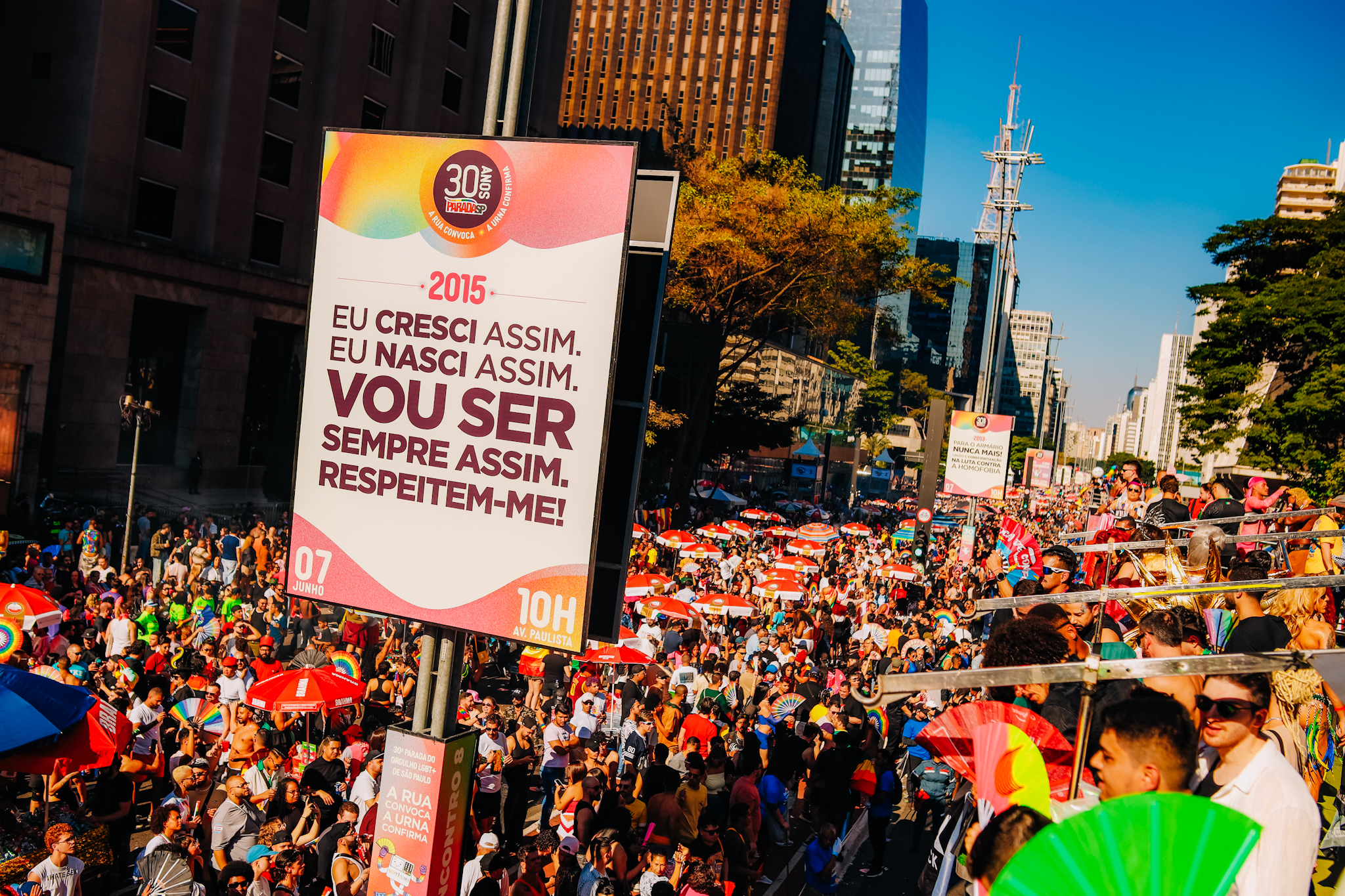
“The core message and the invitation that we can be part of this affirmation that the São Paulo Parade establishes a space of sheltering and respect. In the Parade, it is possible to experience a celebration of life and diversity, and to reference our memory. At the event, one can see how vast and diverse the community is. To visitors from other parts of Brazil and foreigners, we always like to remind them that the LGBT+ Pride Parade of São Paulo is a historical act of global resistance. The presence of each person strengthens the protective and visible network needed to face the community’s current challenges.”
I don’t believe that history repeats itself, as I find history to be more complex than a succession of events. Still, I understand that some groups or views have momentum like the far-right has been experiencing around the globe for a decade or so, and it translates to harder times for minorities, but not a definitive end. As a middle-class straight man, I understand my privilege — and take advantage of it — as I don’t need a parade nor am I an activist. However, as phases change and end, there might be a time when this movement sees sunnier days while occupying São Paulo’s main venues.